What Is a Mortise Lock and Why Georgetown Doors Need Them
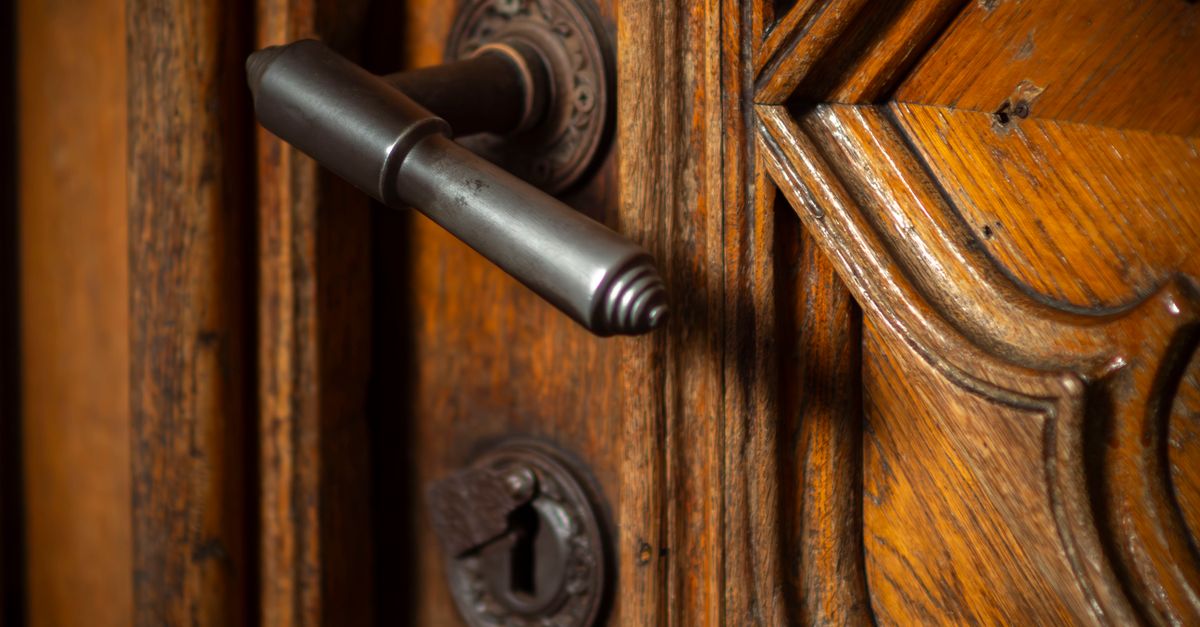
A mortise lock is a lock body that is recessed — or 'mortised' — into a precisely routed pocket cut into the door's edge. Unlike a cylindrical lockset that simply bores through the door face, a mortise assembly houses the latch, deadbolt, and sometimes a privacy knob mechanism all within a single internal chassis. That architecture distributes stress across a wider surface area of the door stile, which is why solid-core and heavy wooden doors pair so naturally with mortise hardware. It's also why you'll find them specified on commercial-grade installations and on the kind of vintage Georgetown doors that were built to last 100 years.
The difference becomes obvious the first time a tubular lock's strike plate pulls out of a soft-wood jamb under force — something a properly installed mortise lock set resists by design. For mortise lock set exterior door applications especially, the deeper pocket and full-length faceplate provide both weather resistance and significantly higher kick-in resistance than standard deadbolt-plus-knob combos. Georgetown properties near the historic downtown district frequently have original mortise hardware that hasn't been touched in decades; our technicians know how to evaluate what's serviceable versus what needs upgrading, without destroying the door's integrity or its historic trim in the process.